

Categories
Most Recent


Avoiding wasted opportunities
16th Mar 2026 in Dental, Animal Health, HealthcareSustainability is a major concern across the healthcare sector today. However, the desire to reduce waste and minimise the impact we have on the natural world must be balanced with the health and safety of patients and staff. Modern medicine relies heavily on single-use items, plastic, and energy-consuming equipment. Tailoring each area to increase green credentials without compromising quality of care is a priority and a challenge.
A broad concern
National health service providers are estimated to generate 156,000 tonnes of medicinal waste each year. Reports of pre-pandemic waste generation suggest the NHS was responsible for producing 11,300 tonnes of waste every day, including 2,500 tonnes of plastic waste. These figures will certainly have changed since then, but they provide an insight into the scale of the challenge faced.
In an attempt to combat the growing problem, the NHS clinical waste strategy was launched in 2023. The document offers a 10-year pathway to reduce waste generation and improve waste management in order to minimise the volume of products in landfill or energy required for disposal. While directly applicable to NHS providers, it provides a useful framework for private health and dental care facilities to follow as well.
More recently, the Department of Health and Social Care published the Designed for Life roadmap to drive further development in the area. The initiative promotes a circular approach to medical technology, encouraging reuse, remanufacture and recycling wherever it is safe and appropriate. The goal is to transition away from avoidable single-use products, significantly reducing waste generated and minimising environmental impacts. There is also a spotlight on increasing recycling and reducing the energy needed for waste disposal – currently, around 42 per cent of healthcare plastic waste is incinerated.
Small but mighty
Of course, dental practices are among the many providers contributing to the waste generated across the UK healthcare system. Single-use plastic features heavily in the surgery – one study found an average of 21 such items were used for each procedure performed. This creates in excess of 720m single-use plastic waste products every year in the UK. Disposal of these items often requires high temperature incineration, which releases carcinogens into the atmosphere. Any items containing PVC also produce acidic gases and are more difficult to recycle.
Repurpose, reuse
As such, dental practices should be prioritising products or solutions that are fabricated from materials that can be recycled, repurposed, and reused in another life. Current statistics suggest that 37 per cent of all plastic is recycled in the UK, though this includes residential waste too.
Dental practices can have a positive impact on these numbers by increasing the amount of plastic identified for recycling every day. Waste segregation is important for identifying appropriate items, and ensuring they are collected and treated in the most environmentally-friendly way. HTM 07-01 outlines the best practice colour coding system from the Department of Health, which dental teams should implement to ensure all waste is disposed of in the least energy-intensive way possible.
Prevention first – as always
The preferable option – in all situations – is prevention at the source. For dental practices, this means making changes to the products used and the workflows employed in order to reduce the amount of plastic waste generated throughout the business. For everyday consumables, this involves switching to providers that offer low or recycled plastic packaging. Where possible, a transition away from single-use plastics will also be important, starting with non-clinical areas of the business for easier-to-impleme
nt alternatives.
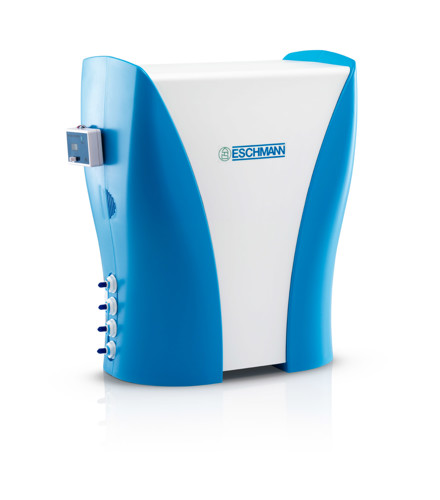
In the surgery, a significant potential source of plastic waste is bottled water. While distilled water is crucial for the function and longevity of infection control equipment like autoclaves, it should not compromise your sustainability goals. A Reverse Osmosis (RO) water system is an excellent option. The unit available from Eschmann reliably delivers pure water free from minerals, TDS, bacteria and microorganisms, without the need for any disposable plastic. It also quickly pays for itself, often in less than 12 months: at a cost of 48 pence per litre, it is over three times more affordable than bottled water.
A material world
Plastic is a necessary evil in modern life. It is also a staple in dentistry and across the broader healthcare industry, providing convenience and safety. However, it is vital that dental teams use plastic items responsibly in order to minimise the impact that waste items have on the environment.
References available on request.


